Osaka's Special-Zone Minpaku Stopped Accepting New Applications — What to Do Now
Osaka's special-zone minpaku stopped accepting new applications on May 29, 2026. Here is how new entrants can choose between a ryokan (simple lodging) license and the Housing Accommodation Act, and how to get started.
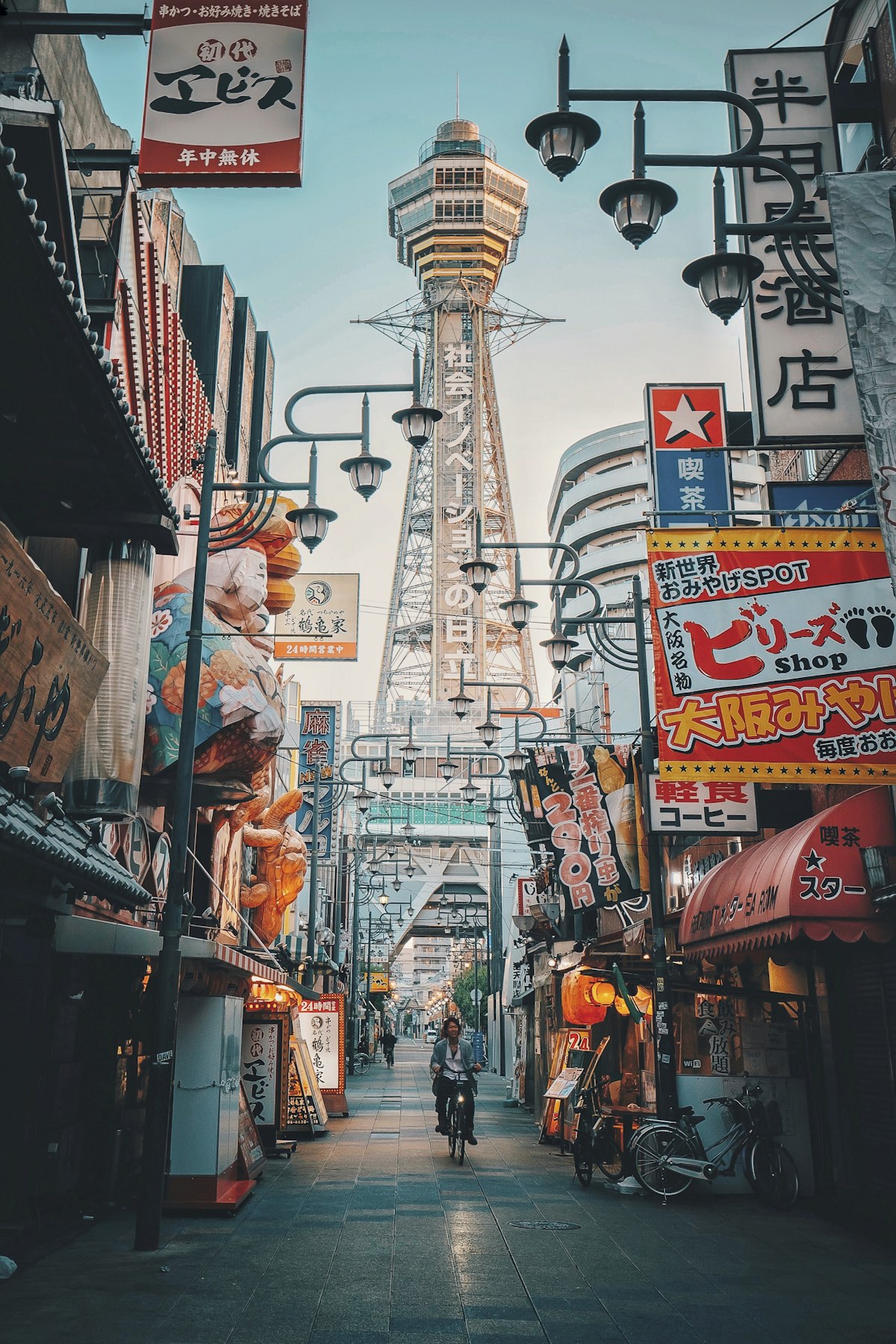
Osaka's Special-Zone Minpaku No Longer Accepts New Applications
For years, Osaka City widely used "special-zone minpaku" (under the National Strategic Special Zone framework), which allowed short-term rentals with no annual operating-day limit. As of May 29, 2026, however, this route stopped accepting new applications.
It is important to separate two situations: facilities already authorized and operating, versus people starting fresh. Existing facilities do not suddenly become unusable. But anyone starting a new lodging business in Osaka can no longer use special-zone minpaku as the entry point, and must choose another route.
If you are wondering "so can I no longer do minpaku in Osaka?" — rest assured, the path is still open. In fact, with the rules now clearer, this is a good time to start through a solid, reliable route.
Two Main Options for New Entrants
Apart from special-zone minpaku, there are two main legal ways to run a lodging business in Osaka going forward.
First, a "ryokan business license (simple lodging / kani-shukusho)" — a licensed operation in the same framework as hotels and inns, with no annual day limit. This is the main route for those who want to operate year-round in earnest.
Second, registration under the "Housing Accommodation Act" (the minpaku law) — easier to start because it is notification-based, but limited to 180 operating days per year. It suits those using a vacant home or starting modestly as a side business.
Ryokan (Simple Lodging) — For Serious, Year-Round Operation
A simple lodging is a "license" under the Hotel Business Act. Its biggest advantage is no annual day limit — you can operate year-round, with high credibility as accommodation. It is the central choice for those aiming to build a real business.
The bar is higher than the minpaku law: the property's zoning must permit lodging (commercial / neighborhood commercial zones, etc.), the building must meet building-code requirements (a change-of-use may be needed), and fire-safety equipment (automatic alarms, exit lights, extinguishers) is required.
It may sound like a lot, but the point is simply to confirm, step by step before you start, whether a license can actually be obtained for that property. This upfront check is the single best way to avoid failure, and it is where we help most carefully.
Housing Accommodation Act — Easy to Start, but 180 Days/Year
Because it is notification-based, the minpaku law is lighter on procedure than a license. It suits those who want to use a vacant home or part of their own home without overextending.
However, operation is capped at 180 days a year. Osaka City also has local rules (add-on ordinances) restricting operation in certain areas or on certain days, and requires advance notice to neighbors and a system for handling complaints.
For "I want to start small" or "I have a main job and only want to operate during free periods," this is a realistic, approachable entry point.
Which Should You Choose?
There is no single right answer — it depends on the property and your goals.
If the property's zoning allows lodging (e.g., a commercial zone), the ryokan route with no day limit is strong. If a ryokan license is difficult (e.g., residential-only zones), the minpaku law becomes the option.
On goals: "operate year-round and earn steadily / expand to multiple properties later" points to ryokan; "start as a side business within reason" points to the minpaku law. Even before choosing a property, you can work backward from your goal to decide what kind of property and area to target.
How to Get Started (5 Steps)
Step 1: Check zoning first. Confirm whether the property/area you are eyeing can host a lodging business at all. This shapes everything.
Step 2: Decide the route (ryokan or minpaku law) based on the property and your goals.
Step 3: Choose a suitable property, checking zoning, building condition, condo management rules (if applicable), and the neighborhood.
Step 4: Confirm fire-safety and building requirements with specialists. Older buildings especially benefit from an early on-site inspection.
Step 5: File the application/notification and begin operating, with documents and neighbor communication prepared, working with our partner administrative scrivener.
Conclusion: Start Through a Solid Route
Special-zone minpaku no longer accepts new applications, but the path to start in Osaka remains — via a ryokan license or the minpaku law. The key is to confirm, step by step, whether you can actually start with that property under that framework, before rushing to buy.
As an Osaka real estate broker, we support new entrants from zoning checks and property introductions to coordination with partner administrative scriveners and fire contractors. We never promise specific yields or occupancy, but we can think through a realistic path that fits your situation.
"Which framework fits my case?" "Can I start in this area?" — even at that stage, feel free to reach out on LINE.
You can also leave the operations to professionals
Interested in Osaka minpaku after reading? Our sister service "Tsumugi Connect" can run the daily operations for you — listing, guest support and cleaning.
Visit Tsumugi Connect* Japanese site. English inquiries are welcome via LINE.
Related Articles
The Health Center Pre-Consultation for a Hotel Business License: What to Prepare and How to Proceed in Osaka
2026-07-05
How to Get a Simple Lodging (Kani-Shukusho) License in Osaka: Process, Requirements, and Costs Explained
2026-07-03
What Is a "Change of Building Use"? Essential Building Knowledge Before Starting a Licensed Hotel Business in Osaka
2026-07-03